
A crossbite is one of the most common bite problems orthodontists see, and it’s one that shouldn’t be left alone. Below we’ll cover what a crossbite looks like, what causes it, why it matters and how crossbite treatment works for kids, teens and adults. Whether you’re reading for yourself or your child, this should help you know when it’s time to get it checked.
What Is a Crossbite?
A crossbite is a type of bite misalignment where some of the upper teeth sit inside the lower teeth when the jaws close together. In a healthy bite, the upper teeth should rest slightly outside the lower teeth. When that relationship is reversed on one or more teeth, you have a crossbite.
Crossbites can affect the front teeth (anterior crossbite), the back teeth (posterior crossbite) or both. Some people have just one tooth out of place. Others have an entire side of the mouth that bites incorrectly. Crossbites are found across all age groups, from young children with baby teeth to adults who have lived with the condition for decades.
Clinically, a crossbite is a type of malocclusion, which simply means the teeth don’t fit together the way they should. It rarely corrects itself without professional care, but there are several reliable ways to fix it at any age.
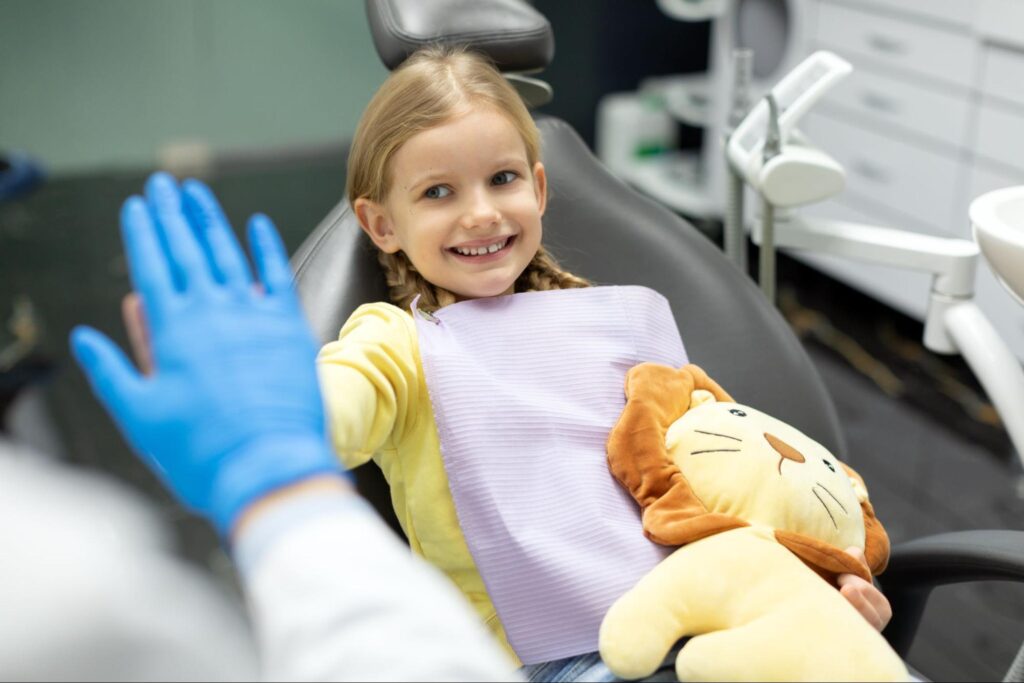
Types, Signs and Causes of a Crossbite
Crossbites aren’t all the same. Knowing the type you have helps an orthodontist pick the right treatment approach.
What Are the Common Types of Crossbites?
- Anterior crossbite: One or more upper front teeth sit behind the lower front teeth when you bite down. This is sometimes confused with an underbite, but it usually involves just the teeth, not the entire jaw.
- Posterior crossbite: The upper back teeth sit inside the lower back teeth. This is often caused by a narrow upper jaw.
- Unilateral crossbite: Only one side of the mouth is affected. This often causes the lower jaw to shift sideways when biting.
- Bilateral crossbite: Both sides of the mouth are affected, usually involving the back teeth.
What Are the Signs You May Have a Crossbite?
Many people live with a crossbite for years without realizing it. Here are the signs to watch for:
- Jaw shifting to one side when you bite down
- Uneven tooth wear or chipped enamel
- Jaw soreness, clicking or popping
- Trouble chewing certain foods
- Noticeable facial asymmetry
- Speech changes, especially with “s” and “th” sounds
What Causes a Crossbite?
Crossbites usually come from a mix of genetic and environmental factors. The most common causes include:
- Genetics: Jaw size and tooth position are often inherited.
- Delayed tooth eruption: Baby teeth that stay too long or adult teeth that come in late can push other teeth out of place.
- Thumb-sucking or extended pacifier use: These habits can reshape the developing palate.
- Mouth breathing: Chronic mouth breathing can affect how the upper jaw grows.
- Jaw size mismatch: When the upper jaw is narrower than the lower jaw, back teeth often fall into crossbite.
Why Treating a Crossbite Matters
Leaving a crossbite alone isn’t just a cosmetic concern. Over time, the imbalance can put stress on your teeth, gums, jaw joints and even the shape of your face. Correcting the bite protects your long-term oral health and helps you avoid bigger problems later.
Here’s what proper crossbite treatment helps you avoid:
- Excessive tooth wear and enamel damage. When teeth don’t meet correctly, certain surfaces take far more pressure than they’re built for. That can lead to flattened, chipped or sensitive teeth.
- Jaw strain and discomfort. A shifted bite makes your jaw muscles and joints work harder than they should, which can lead to clicking and ongoing soreness.
- Gum problems. Teeth that sit in the wrong position can put extra stress on the surrounding gum tissue, which can contribute to gum recession over time.
- Chewing and speech issues. A balanced bite makes eating easier and helps you speak clearly. Correcting a crossbite often improves both.
- Facial asymmetry, especially in children. When the jaw shifts to one side to close, the lower face can grow unevenly. Treating kids early while the jaw is still developing helps guide proper facial growth.
- Easier oral hygiene. Well-aligned teeth are easier to brush and floss, which lowers the risk of decay and gum disease.
The earlier a crossbite is addressed, the simpler the fix tends to be. That’s why most orthodontists recommend an orthodontic evaluation for kids by age 7.
Crossbite Treatment Options Compared
There’s no one-size-fits-all approach to crossbite treatment. The right option depends on your age, the type and severity of the crossbite and your lifestyle. An orthodontist will review these options during an evaluation and build a plan that fits you.
How Do These Treatments Compare?
| Treatment | Ideal Age | Severity Treated |
|---|---|---|
| Palate Expander | Growing children | Narrow upper jaw, posterior crossbite |
| Clear Aligners | Teens & adults | Mild to moderate crossbites |
| Metal Braces | All ages | Mild to complex cases |
| LightForce Clear Braces | Teens & adults | Mild to complex cases |
| Jaw Surgery | Adults | Severe skeletal crossbites |
How Does Each Option Actually Work?
- Palate expanders gently widen the upper jaw in growing children. This creates room for the upper teeth to shift into a proper bite relationship with the lower teeth.
- Clear aligners like Invisalign are a discreet option for teens and adults with mild to moderate crossbites. They’re removable, comfortable and nearly invisible.
- Metal braces are still one of the most versatile tools in orthodontics. They handle intricate movements that other options can’t always manage.
- LightForce clear braces use 3D-printed brackets custom made for your teeth, which allows for a very precise fit.
- Jaw surgery is usually reserved for severe skeletal crossbites in adults, where the jaw bones themselves need to be repositioned.
How Long Crossbite Treatment Takes
How long treatment takes depends on the type and severity of the crossbite, the method used and the patient’s age. Many crossbite cases treated with braces or clear aligners take between 12 and 24 months, and simpler cases can finish sooner.
Here’s what affects your timeline:
- Severity and type of crossbite. A single-tooth anterior crossbite may be corrected quickly. A crossbite on both sides with a narrow upper jaw takes longer.
- Treatment method. Expanders, aligners, braces and surgery each work on a different timeline.
- Age and growth stage. Children often respond faster because their jaws are still growing. Adults can absolutely get great results, but treatment may take a bit longer.
Our team can walk you through insurance and financing options at your consultation, along with a timeline built around your bite.
When to See an Orthodontist for a Crossbite
Not sure if it’s time to get your bite checked? Here’s a quick checklist to help you decide.
When Should You Schedule an Evaluation?
- Your child is 7 years old (the age the American Association of Orthodontists recommends for a first orthodontic check-up)
- You notice your jaw shifting to one side when biting
- You have jaw soreness or clicking
- Your teeth show uneven wear or chipping
- You see facial asymmetry in yourself or your child
- Chewing certain foods feels uncomfortable
- You’ve been told you have an “underbite” or “reverse bite” on some teeth
Why Does Early Treatment Help Kids?
In children, the upper jaw is still growing and much easier to guide into the right shape. A palate expander used at the right age can correct issues that might otherwise require more involved treatment later. Early care also helps keep the jaw from developing unevenly.
Can Adults Still Fix a Crossbite?
If you’re an adult with an untreated crossbite, you have options too. Clear aligners, metal braces and LightForce clear braces all work well for adult patients. Many adults are surprised at how comfortable and discreet modern treatment is compared with what they remember from years ago.
An orthodontist can evaluate your bite and walk you through the best path forward. Digital scans and X-rays make it easy to see what’s happening with your bite from day one, so you can make an informed decision about treatment.
Frequently Asked Questions About Crossbites
Can a crossbite fix itself?
Usually not. Most crossbites stay the same or get worse over time, especially in growing children whose jaws can adapt around the problem. An early evaluation is the best way to know whether treatment is needed now or can wait.
Do I need surgery for a crossbite?
Most crossbites can be corrected without surgery. Jaw surgery is usually reserved for severe skeletal crossbites in adults, where the jaw bones themselves are significantly misaligned. Most patients are treated successfully with palate expanders, clear aligners or braces.
Can Invisalign fix a crossbite?
Invisalign can correct many mild to moderate crossbites, especially when the problem is tooth position rather than jaw width. When a narrow upper jaw is the cause, an expander or braces may be the better fit. Dr. Ross will tell you which approach suits your bite.
How long does it take to fix a crossbite with braces?
Many crossbite cases treated with braces take 12 to 24 months. Simpler single-tooth crossbites may finish faster, while cases involving multiple teeth or jaw width can take longer. Your orthodontist will give you a personal timeline at your consultation.
Can a crossbite come back after treatment?
Yes. Without a retainer, teeth can gradually shift back toward their original positions. That’s why orthodontists provide a custom retainer after active treatment ends. Wearing it as directed is the best way to keep your new bite stable.
What’s the difference between a crossbite and an underbite?
An underbite is usually a skeletal issue where the entire lower jaw sits in front of the upper jaw. An anterior crossbite can look similar, but it usually involves just one or a few front teeth, not the whole jaw. An orthodontist can tell the difference with an exam and digital scans.
Is a crossbite in children an emergency?
It’s not an emergency, but it shouldn’t be ignored. Treating a crossbite early, while the jaw is still growing, is almost always easier and faster than waiting. That’s why an evaluation by age 7 is widely recommended.
If you’re looking for a family orthodontist in South Miami, Dr. Ross and our team at Orthodontics of South Miami would be happy to take a look at your bite or your child’s. You can also read more about early orthodontic care or schedule a free consultation to get started.